
Images in all forms (i.e videos, movies, t.v, photos etc) all show how humans are further connected to imagery and how exposure to certain types of images will affect a humans behavior or attitude pertaining to a specific topic or subject. As humans gain more exposure from photographs, magazines, film and technology - media, and t.v, people can develop of sense of understanding through viewing the imagery and can grasp the concept further by establishing a sensibility of predicting the content of the material. As people begin to learn to 'read' images they can start to get a sense of how to not only get a better understanding of context, human emotion, reaction, space, but given the layout they can project and discover new meaning to all facets to be learned from images. By observing these images people can demonstrate a higher perception of how the world is perceived through the eyes of many. To further establish the power of images a selection of videos was analyzed using set terms to describe in greater detail the ways that images can be used for determining the process of artistic value and characterization. Some examples are: Blink 182 - Adam's song, The script - if you could see me now, five for fighting - 100 years, Blink 182 - I miss you, Blockhead - the music scene, Eminem - Mockingbird. In the video
Adams Song by
Blink 182 the '
genre' would be narrative, the '
editing' would account for the way the photographs are poised on the back wall behind the band, and the '
diegesis' is hinted to be about isolation, or being alone. Other terms that may be included are the '
mise - en -scene' which could be the impression of loneliness. In the video
If you could see me now by the Script some terms that accompanied the video could be described as such: the
'flashback' could be seen as when the band is on stage performing. While the
'shot' could be interpreted as when the band is on stage, and while looking for inspiration the people they are looking for, are absent. The
'diegesis' might be explained as the appreciation of life. The terms that are most relevant in
100 years performed by five for fighting are: the
'focus' which is seen many times throughout the duration of the video - when the camera spotlights the piano in the meadow and the person playing it (the person changes throughout the video from the artist through a series of ages, and other people. The
'editing' would be directed at the different transitions through age at the artist's different stages of life. The
'genre' would be named as a narrative as it goes through the man's life at different points in time. The
'auteur' would be the artist, or band 'five for fighting'. The terms presented in the video
I miss you by Blink 182 are:
'diegesis' as the prospect of being haunted (by the death of a friend or a past lover etc). The
'focus' mainly targets certain objects - like the spiders in the video. The
'scene / sequence' could be the transition between the band and the other characters as it shows the appearance of many different women and how their presentation changes as the video goes on (darker colors change to lighter - editing). A
'shot' from the video could be when one of the characters (a woman) is peering into a mirror and it shows all of the reflections from past lovers - or other people. This shot may also account that mirrors usually are used to show the 'self' or self reflection. The music video
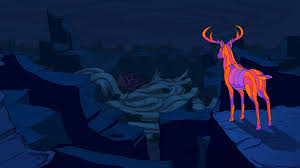
The Music Scene by Blockhead, is a series of images in the arranged in the fashion of animation. The
'auteur' is Anthony Shepard - who put the animation together of a course of two years or so. The
'mise - en -scene' seen by the artwork of the animation might be portrayed when the people are created in image by the technology and are processing information, while later on they are bound by that same technology. It shows that people can be artificial, while nature might be superior as it does not rely on the usage of technology to thrive. A recognizable term used in
Mockingbird by Eminem is the usage of '
flashback' when in the video it shows him watching home made videos, as he reflect on the past, and considers the future. All images can show the importance of value and content, as more people begin to analyze film and other forms it may become easier to understand the decisions made by the media, directors, etc. As people who produce film bring pieces of thought into the art they create, people can recognize the idea formed behind the decisions made to create the video, and the pieces of material that were chosen, and why. People can harness the ideas brought forth by the power of images, and may be able to actuate the creative tools used to build such imagery and in turn show change in how images are read and annotated and help others understand the value in images in film and otherwise.


No comments:
Post a Comment